
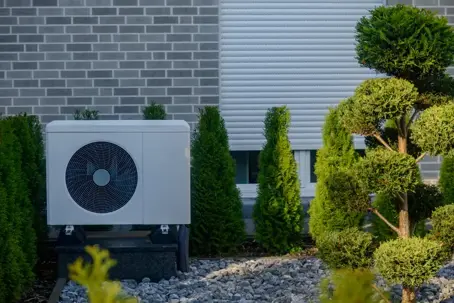
For homeowners in West Palm Beach, Boca Raton, and Palm Beach Gardens, maintaining comfortable indoor temperatures year-round is non-negotiable. When it comes time to upgrade or replace your HVAC system, you often face a choice: a standard air conditioner (AC) or a heat pump. While these two systems look nearly identical from the outside, the difference in their capability has a huge impact on your comfort, efficiency, and energy bills.
At Telford Cooling, we specialize in installing and repairing both, and the single most critical distinction we want our customers to know is simple: an AC only cools, while a heat pump both cools and heats.
The Cooling Similarity
In the intense South Florida heat, a heat pump and a traditional air conditioner are fundamentally the same machine. Both systems cool your home by employing the refrigeration cycle, which works by transferring heat from inside your home and moving it outside.
They share the same core components:
Refrigerant: The chemical compound that absorbs and releases heat.
Compressor: The heart of the system that pressurizes the refrigerant.
Coils (Evaporator and Condenser): The indoor coil absorbs heat, and the outdoor coil releases it.
During the cooling season, both systems perform identically, offering the same level of comfort and dehumidification (which is vital in our humid climate).
The Heating Difference: The Reversing Valve
The true difference—and the reason a heat pump is often a superior choice in moderate climates like ours—is the presence of a component called the reversing valve.
The Air Conditioner (AC) System
A traditional AC is a one-way street: it moves heat out of your home. To provide warmth during the rare cold snaps in Florida, a traditional AC must rely on a separate heating source, most commonly:
A Furnace: A unit that burns gas or uses another fuel source to create heat.
Electric Resistance Heaters (Heat Strips): Components built into the air handler that generate heat using electricity. These are extremely inefficient and costly to run.
The Heat Pump System
The heat pump is a two-way street. The reversing valve allows the system to switch the direction of the refrigerant flow.
In Summer (Cooling): The refrigerant absorbs heat inside and releases it outside (just like an AC).
In Winter (Heating): The refrigerant absorbs the small amount of heat that exists in the outside air—even when it's chilly—and releases that heat inside your home.
This process is called heat transfer, and it is profoundly more efficient than generating heat with electric strips or burning fuel.
Why Heat Pumps Are Ideal for South Florida
The efficiency advantage of a heat pump makes it an excellent, all-in-one solution for West Palm Beach, Boca Raton, and Palm Beach Gardens homes:
Lower Winter Bills: Since a heat pump transfers existing heat rather than creating it, it can provide up to three times the energy output for every unit of electricity consumed. This results in dramatically lower utility costs during the mild winter months compared to using inefficient electric heat strips.
Year-Round Convenience: You only need one system to handle all your heating and cooling needs, reducing maintenance complexity and space requirements.
Superior Dehumidification: Many high-efficiency heat pumps excel at removing humidity, which is critical for achieving true comfort in our damp environment without over-cooling your home.
Choosing the right system for your home comes down to a careful assessment of your budget and your current heating system. Our licensed and insured technicians at Telford Cooling bring decades of hands-on experience to help you choose the ideal, customized comfort solution. Whether you need a repair or are ready for a full system upgrade, call us today at (561) 821-3174.